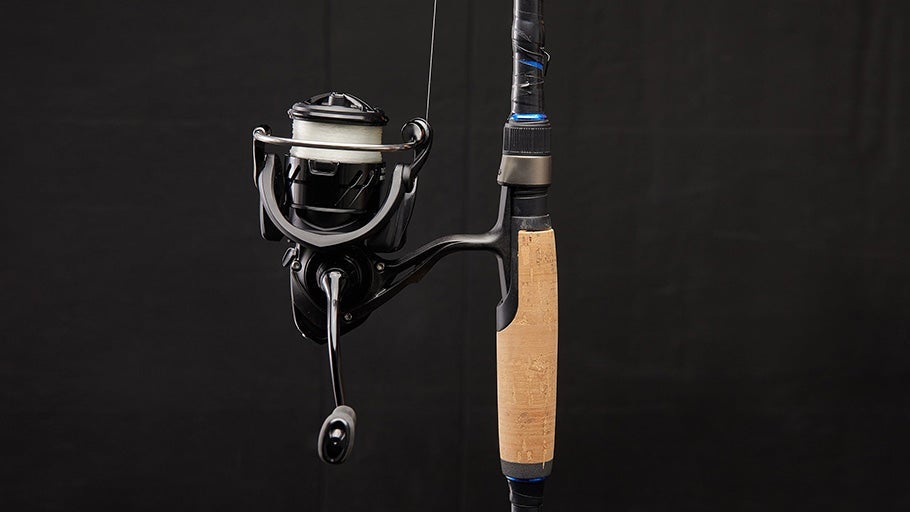
How-To
How-To Put Line On a Spinning Reel
Baitcasting reels are essential for bass fishing success, but knowing how to spool a baitcaster correctly is the key to avoiding line twists and poor casting performance. The key is to spool the line under tension and evenly to prevent tangles and maximize casting distance. This guide walks you through the step-by-step process of how to spool a baitcasting reel, plus expert tips to make re-spooling faster and more effective!
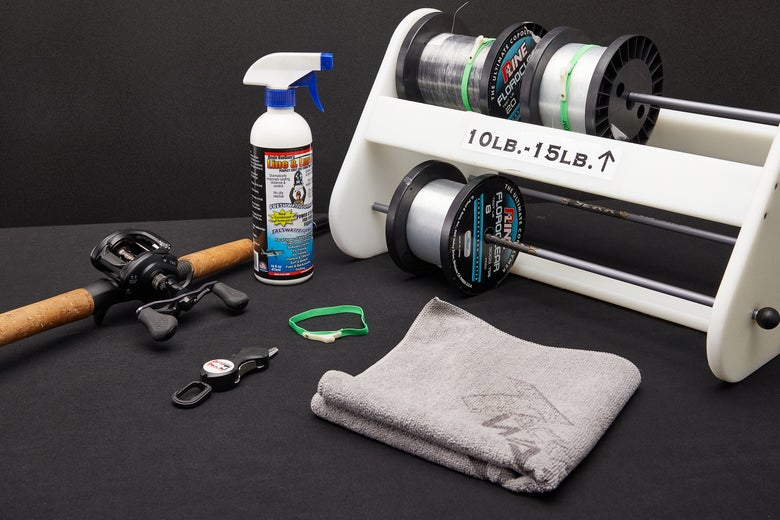
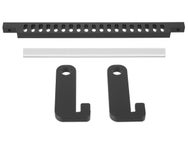
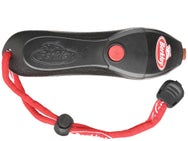
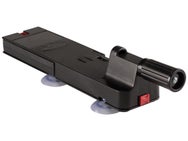
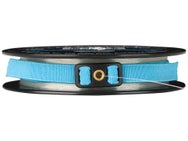
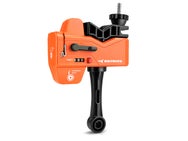
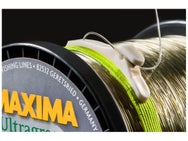
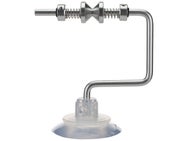
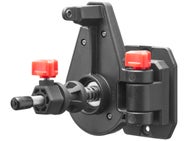
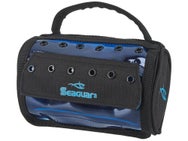
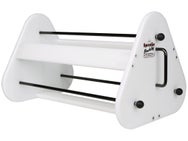
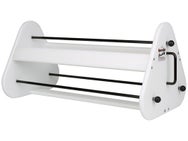
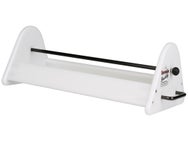
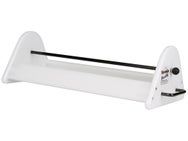
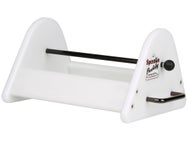
If you're looking for the best way to spool a baitcaster, this is it! The first thing an angler needs to do is set-up a spooling station. You can utilize one of the many spooling tools that we sell on tacklewarehouse.com or it can be done the old school way with a buddy holding a pen through the center of the spool. We recommend using a dedicated spooling station to achieve better consistency. It is also very important to orientate the filler spool so that it feeds line off the top of the spool and not the bottom.
Next you need to connect the line to the spool on the reel. Some reel spools feature a built-in line-slot that allows you to tie the line directly to the spool. Reels that do not feature a line-slot, line must be tied around the outside of the spool. In this case, wrap the line around the spool and use any knot to secure it.
One thing to consider especially when using braided line, is use a small piece of electrical tape to further secure the line to the spool. Braid slip is a common occurrence when braided line isn’t properly attached to the reel before spooling. Since braid has no stretch and is usually very slick, it will spin around the spool when trying to reel in a fish without engaging the drag system. This can be avoided by using a small piece of electrical tape on the bottom of the spool or by using mono backing. It is good practice to use a small piece of tape with all line types.


Once the line is connected to the spool all you have to do is reel the line onto your baitcasting reel. Pinching the line with your hand in front of the reel adds tension and helps the line go onto the spool tightly. Anglers can also use a microfiber cloth and a little bit of line conditioner to condition the line as it goes onto the spool to maximize performance and reduce memory. Stop adding line to the reel when you’re about an 1/8” to 1/16” of an inch from filling the entire spool to prevent overfilling and birds nesting.


To properly line a baitcaster, start by attaching the line to the spool with a secure knot, then spool the line under steady tension to avoid twists. Many anglers forget to maintain tension, which leads to tangling.
Use a line spooler or have a partner hold the line spool tight while reeling!
The best way is to spool your reel slowly and evenly, keeping light tension on the line throughout. Overfilling the spool or spooling too loosely often causes backlash. Make sure the reel’s spool tension knob is properly adjusted after spooling to fine-tune casting control.
Yes, braided line works well on baitcasting reels because of its strength and sensitivity, but it needs to be spooled correctly over a backing line like monofilament to prevent slipping. Skipping the backing often causes line slippage during casts and retrieves.
Most anglers fill their baitcaster spool about 1/8 inch from the spool’s edge. Too much line creates backlash, while too little reduces casting distance. Adjust your amount based on the type of fishing and lure weight.